A shared vision for the future of clean buses
Electrification of bus fleets will be critical for the UK’s decarbonisation ambitions, but success depends on cross sector collaboration and a robust policy landscape.
Transport accounts for 24 per cent of the UK’s Greenhouse Gas Emissions. Westminster has repeatedly pledged its commitment to cutting these figures, with electric cars now accounting for 22.7 per cent of total new car market in the UK.
However, emissions targets cannot be achieved without transitioning bus fleets too.
Bus travel is the backbone of connectivity, particularly for rural areas, with 3.6 billion local bus passenger journeys taken across the country last year. Although bus and coach accounts for just two per cent of transport emissions (compared to 54 per cent produced by cars), shifting from diesel to electric powered fleets is essential for improving air quality, reducing fossil fuel dependency, and securing sustainable employment in local communities.
A strong start, but collaboration is key
We have seen a resounding commitment to decarbonisation of bus fleets from Westminster and the sector itself.
Two rounds of Zero Emission Bus Regional Areas (ZEBRA) funding have awarded over £300million to councils across England for new vehicles, charging infrastructure and grid upgrades. Meanwhile, English bus operators have invested more than £2 billion in Euro VI and green bus technology over the last eight years.
It has been a strong start, and today 12 per cent of buses are powered by electricity. However, this leaves almost 70 per cent still running on diesel.
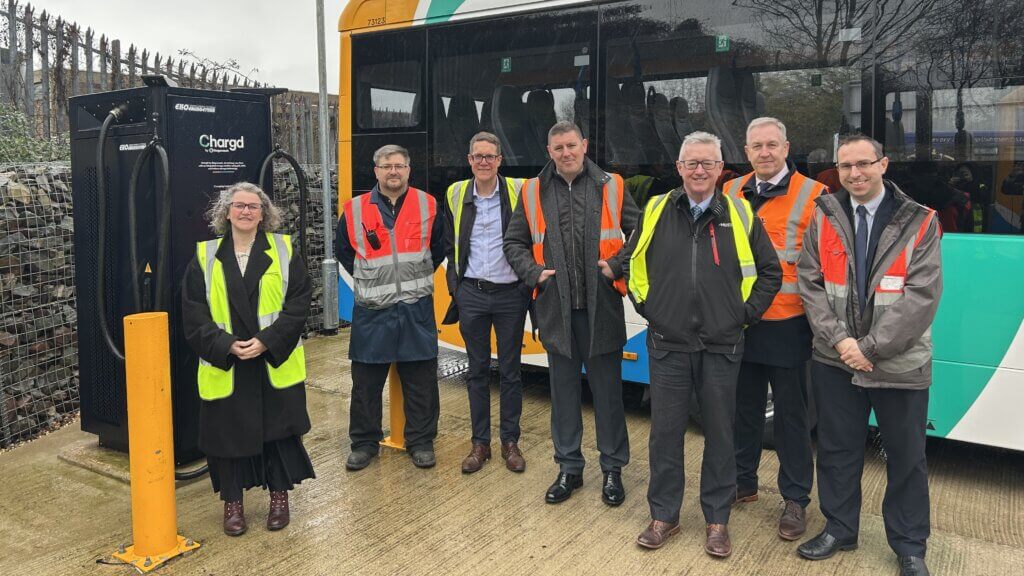
Channelling funding effectively, procuring stock, and putting in place charging infrastructure requires continued cross-departmental and cross-sector collaboration. This was evident in the roundtable convened by Campaign for Better Transport and hosted by Stagecoach, which brought together operators, manufacturers, energy providers, local authorities and Whitehall.
Hosting this group at our heavily electrified depot allows us to move the conversation from theory to reality. We are proud to show that with the right partnerships—across local authorities and energy providers—the journey to a more sustainable bus network is well underway.” – Patrick Stringer, Commercial Director at Stagecoach Midlands.
Such collaboration is particularly critical when it comes to charging infrastructure. Despite major improvements in battery technology, which have dramatically extended vehicle range, implementing and maintaining charging infrastructure in a cost-effective way demands that utilities, operators, regulatory bodies and manufacturers are able to work cohesively.
Achieving this will create exciting opportunities for pooling resources to maximise the efficiency and cost-effectiveness of new infrastructure. For example, shared depot charging (opening up depots to partner fleets or other service vehicles) could significantly reduce capital expenditure and operational costs.
This is already being trialled in Nuneaton, where Stagecoach Midlands is working with Vev on a trial which will allow businesses access to its charging infrastructure during off-service hours. Meanwhile First Bus has also commenced trials offering in-depot charging to the public.
A robust policy landscape
Long term progress will be determined by national policy and funding landscapes. Delivering a transition requires more than just new vehicles – it demands strategic investment in depot infrastructure, grid capacity, energy systems, and operational planning.
Recent moves towards consolidation of financing and greater control over spending through the Integrated Settlement Funding and the Devolution and Communities Bill could enable local authorities and their partners to think more strategically and conduct the forward planning necessary.
Nevertheless, national policies also need to reflect individual regional requirements and capacities. For example, rural regions face heightened challenges in deploying electric buses, where daily routes (which can be up to 400 miles) outstrip vehicle range.
This is a particular concern for the devolved nations. Rural Scotland accounts for 97 per cent of Scotland’s land mass, and 17 per cent of its population – a figure which continues to grow.
From 2030, new non-zero emissions buses will not be able to be used on local bus services in England. As a result, local areas must be equipped with the capabilities to continue to run services while decarbonising fleets.
Steering the way forward
Cleaner, more reliable buses transform how communities move. This transition is a perfect example of the integrated decision-making we need to tackle our biggest societal challenges. – Ben Plowden, Chief Executive of Campaign for Better Transport.
There will undoubtedly be challenges ahead in the effort to improve air quality and prioritise more sustainable modes of transit.
However, the dialogue at our roundtable event revealed that the collaboration required to navigate these challenges is in motion.
Photo Caption – Campaign for Better Transport and Stagecoach roundtable attendees from left to right: Jodie Gosling MP; Stagecoach Nuneaton Depot team member, Ben Plowden, CEO Campaign for Better Transport; Tony Cockcroft, Asset Management Director Stagecoach; Ian Downie, Head of Sales and Market Yutong UK: Sean O’Sullivan, Senior Business Development Manager Vev; and Patrick Stringer FCILT, Commercial Director Stagecoach Midlands.


