General, Local, Mayoral. It’s election year for transport
2024 will see around 42 per cent of the globe vote in an election. Of those that live in democracies, 99 per cent will find themselves with an election pen in hand, and citizens in the United Kingdom are no different.
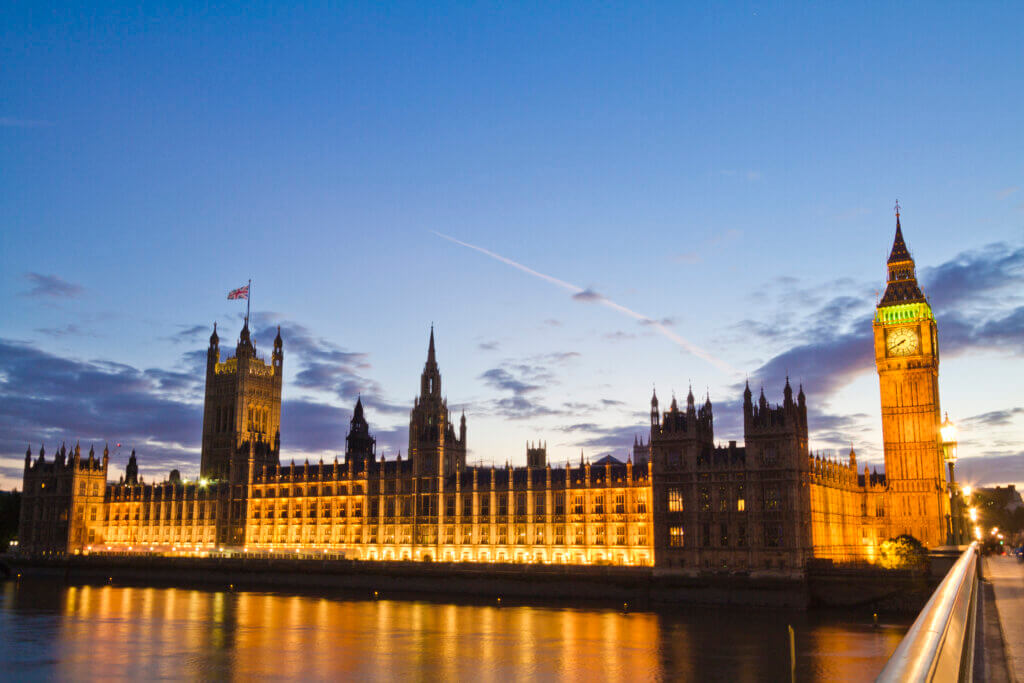
The Prime Minister has signalled his intent to call an election this year, with most commentators settling on May or October as the potential months of when Britain will go to the polls. Whilst transport might move the dial in the same way that economic growth, the health services or education does, the provision of existing services and plans for future transport projects have been in the news substantially more than in previous elections.
Whilst the Conservatives and Labour are keeping their cards close to their chest, some of the battlegrounds have already been drawn up.
The rail network is where the disagreement is most evident, with both main parties seeming to head in opposite directions. The Conservatives are in the midst, albeit incredibly slow, of introducing major reforms to the railway. The Plan for Rail, published in 2021, outlined the future of the existing rail franchises run by private sector operators. This culminated in the publishing of the Draft Rail Reform Bill, which will now be considered by the Conservative-led Transport Select Committee. In contrast, Labour have been clear in their intentions to bring the railways ‘back into public ownership’ — meaning that the government, and their agencies, will be responsible for the operation of the network. There are policy announcements expected before the General Election, but for now, the battle lines are beginning to be drawn around the involvement of the private sector.
Even those who follow transport news at a distance will be aware of the latest happenings on the Manchester bus network with Labour Mayor Andy Burnham moving to an operating system known as ‘franchising’. This model means that the local government make decisions on bus routes, their frequency and the fares offered on the bus. Whilst the Conservatives are not completely against this idea – having given Mayoral Authorities the ability to explore this option – they are sceptical of whether this offering can work across the country. The Labour Party, however, are keen admirers of the system seeing its benefits in the capital and exploring options for other major cities which they control, like Bristol and Liverpool. There are also questions as to whether to reinstall the power of local authorities to run their own bus companies, often referred to as ‘Municipal Bus Companies’ which was banned by the Conservative Government in 2017. Expect these issues to be discussed, even if only briefly and in the context of ‘levelling up’, by the political parties.
Whilst much of the focus will be on a General Election, it’s important to remember that Local Elections across the country will also be happening, with many of the largest Combined Authorities (also known as ‘Metro Mayors’) and local authorities up for election also. In these contests we are likely to find discussions about Clean Air Zones, Bus Priority and other local schemes. These vary by region and positioning is likely to have more of an impact on the election than transport will in the General Election.
Rest assured, we will continue to campaign for the transport policies and measures needed to ensure a more sustainable transport future, whoever ends up in charge.
Header image: Mdbeckwith, CC BY-SA 3.0 via Wiki Commons


